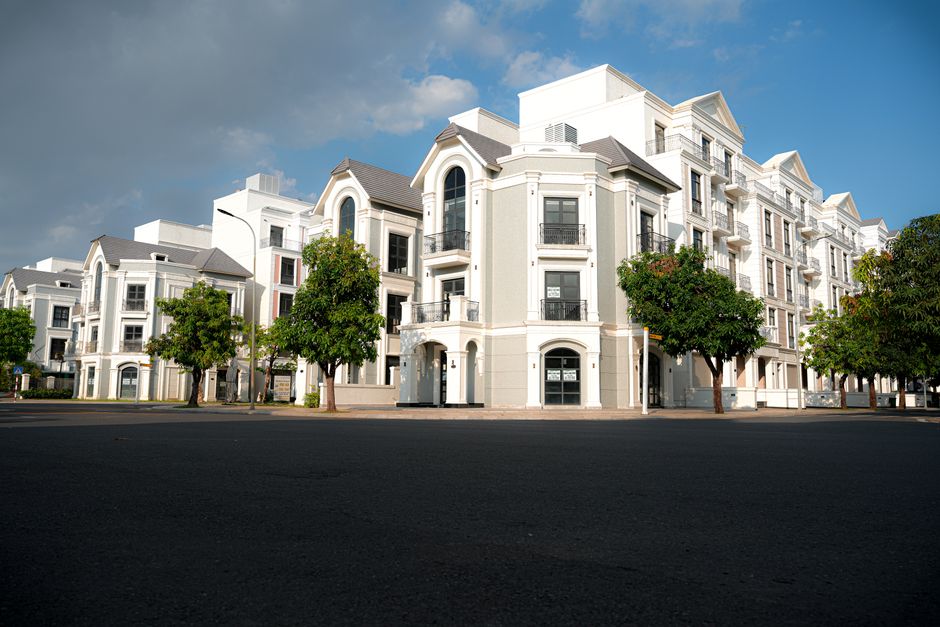
Key Clauses Every Bansh Vatika Commercial Lease Must Have
Discover the essential clauses in a Bansh Vatika commercial lease, how to protect your business, and real case studies to guide your decision.
Direct Answer

When signing a Bansh Vatika commercial lease, focus on rent escalation, maintenance responsibilities, sub‑leasing terms, exit options, and compliance with local zoning. These clauses safeguard your investment, ensure predictable costs, and keep operations smooth.
Table of Contents

Understanding the Bansh Vatika Lease Framework
Need help with this? Let our AI handle it for you. Get started with AINOS and automate your content, SEO, and social media — all in one platform.

Bansh Vatika Real Estate’s commercial leases are designed to provide clarity while offering flexibility for growing businesses. The framework typically follows a standard template but allows for negotiation on key points that impact cash flow and operational freedom.
The Lease Structure in Bansh Vatika
The lease document is divided into four primary sections: introductory clauses, core obligations, special provisions, and termination conditions. Each section is tailored to reflect the specific nature of the Bansh Vatika development, including its mixed‑use zoning and proximity to major transit hubs.
Key Parties and Legal Status
The lease identifies the landlord (Bansh Vatika Properties), the tenant, and any guarantor or sub‑tenant. It also specifies the legal entity that will hold the lease—often a limited liability company—to protect personal assets from business liabilities.
Typical Lease Duration and Renewal Terms
Standard terms run from five to ten years, with a renewal option that can be exercised up to two years before expiry. Renewal clauses typically reference the prevailing market rent index, ensuring that the rent remains competitive while protecting the landlord from sudden market dips.
Rent Escalation and Payment Terms

A well‑structured rent escalation clause is the backbone of any commercial lease. For Bansh Vatika properties, the lease usually includes a fixed percentage increase—commonly 3% to 5% annually—capped by the Consumer Price Index (CPI) to guard against inflation.
Pro Tip: Align Escalation with CPI
Aligning the rent escalation with CPI ensures that rent rises remain predictable and tied to actual cost of living changes. This approach is favored by tenants in high‑growth areas like Bansh Vatika, where demand for space can outpace supply.
Payment Schedule and Late Fees
Rent is due monthly on the first business day, with a 5% penalty for payments made after the tenth business day. The lease also allows for pre‑payment discounts—typically 2%—to encourage early cash flow for both parties.
Escrow for Utilities and Common Area Maintenance (CAM)
Many Bansh Vatika leases require tenants to contribute to CAM through an escrow account. The lease specifies the calculation formula: a fixed percentage of the total lease area plus a flat fee per square foot, ensuring that large tenants are not disproportionately impacted.
Maintenance and Repair Obligations

Maintenance responsibilities are clearly delineated to avoid costly disputes. The Bansh Vatika lease places the burden of routine building maintenance—such as HVAC servicing and roof repairs—on the landlord, while the tenant manages interior upkeep.
Tenant’s Interior Responsibilities
Tenants must keep interior finishes in good condition, replacing fixtures and repainting as needed. The lease includes a maintenance schedule, and tenants are required to submit quarterly reports detailing work performed.
Owner’s Structural Repairs
Bansh Vatika Properties guarantees that the building’s structural integrity, including load‑bearing walls and foundational work, remains uncompromised. In the event of a structural failure, the landlord assumes repair costs and informs the tenant within 48 hours.
Case Study: Tech Hub in Sector 12
In 2023, a tech startup leased 3,500 sq ft in Bansh Vatika’s Sector 12. The lease stipulated that the landlord would cover all HVAC system upgrades. When a sudden fault forced a system overhaul, the landlord completed repairs within 72 hours, keeping the tenant’s operations uninterrupted and maintaining the company’s reputation for uptime.
Sub‑Leasing, Assignment, and Tenant Rights

The ability to sub‑lease or assign a lease can be critical for businesses that anticipate expansion or contraction. Bansh Vatika’s agreements provide a balanced approach, allowing sub‑leasing with landlord approval and assignment with a transfer fee.
Pro Tip: Negotiate a Flat Assignment Fee
Negotiate a flat assignment fee (e.g., 1.5% of the remaining lease value) rather than a variable percentage to avoid hidden costs when the lease is assigned to a third party.
Sub‑Lease Approval Process
The landlord must approve sub‑leases in writing within 30 days of request. Sub‑leasing is permitted only if the proposed sub‑tenant meets credit standards equivalent to the original tenant.
Tenant Right of First Refusal
Many Bansh Vatika leases include a right of first refusal clause for the landlord, ensuring they have the opportunity to buy the lease back if the tenant decides to sell the business.
Exit Strategies: Early Termination and Renewal

Early termination clauses are essential for businesses facing market shifts. Bansh Vatika’s commercial lease offers a “break‑option” that allows tenants to exit after the third year, subject to a 3‑month notice and a termination fee of 6% of the remaining rent.
Renewal Options and Negotiation Windows
The lease outlines renewal windows—typically 12 months before the end of the term—during which tenants can negotiate rent adjustments based on market trends and the property's performance.
Lease Extension for New Projects
If a tenant intends to expand within Bansh Vatika, the lease includes an extension provision that permits an additional 2 years at a negotiated rate, ensuring continuity without renegotiating the entire agreement.
Compliance with Zoning, Licensing, and Regulatory Requirements

Bansh Vatika’s mixed‑use developments are subject to strict zoning laws, especially in commercial districts. The lease requires tenants to obtain all necessary permits and licenses before commencing operations.
Zoning Restrictions and Use Permits
The lease enumerates permissible business types—retail, office, and light manufacturing—while explicitly prohibiting hazardous activities. Tenants must submit zoning compliance certificates annually.
Environmental and Health Regulations
For businesses that handle chemicals or produce waste, the lease mandates adherence to the Maharashtra Pollution Control Board (MPCB) guidelines and the Ministry of Environment’s safety standards.
Case Study: Green Café Chain
A green café chain leased space in Bansh Vatika’s central plaza. The lease required the tenant to acquire a health and safety certificate from the local municipal office. By presenting the certificate before the lease signing, the tenant avoided a 5‑month delay in opening, demonstrating the importance of proactive compliance.
Insurance, Indemnity, and Liability Clauses

Insurance provisions protect both parties from unforeseen events. Bansh Vatika requires tenants to maintain commercial general liability (CGL) coverage of at least INR 5 crore and property insurance covering the tenant’s fixtures.
Tenant’s Insurance Requirements
Tenants must name Bansh Vatika as an additional insured on all policies, ensuring that the landlord is protected against third‑party claims stemming from tenant activity.
Indemnity Clauses
The lease includes a mutual indemnity clause where each party indemnifies the other against losses arising from negligence or breach of the agreement. This clause is vital for mitigating liability risks during large-scale renovations.
Pro Tip: Use a Single Premium Policy
Opt for a single premium policy that covers both general liability and property loss. This simplifies renewals and ensures consistent coverage levels, a strategy adopted by the majority of tenants in Bansh Vatika’s high‑tier office blocks.
Finalizing and Negotiating the Agreement: Practical Tips

Negotiating a commercial lease at Bansh Vatika is a collaborative process. Here are actionable steps to secure favorable terms.
Conduct a Gap Analysis
Before signing, conduct a gap analysis against the standard lease template to identify clauses that differ from industry norms. Document these differences and propose adjustments.
Leverage Market Data
Use recent lease comparables from Bansh Vatika’s annual market report to justify rent and escalation adjustments. Presenting data-backed arguments strengthens your position.
Engage a Specialist Attorney
A real‑estate attorney familiar with Bansh Vatika’s legal landscape can spot hidden pitfalls—such as mandatory escrow for CAM or restrictive sub‑leasing caps—and negotiate more favorable language.
Industry Insight: Early Signing Incentives
Bansh Vatika occasionally offers early signing incentives—such as a one‑month rent credit—especially for startups. Keep an eye on the developer’s press releases and be ready to act when these opportunities arise.
Frequently Asked Questions

Q1: What is the standard lease term for Bansh Vatika commercial spaces?
A1: The standard lease term ranges from 5 to 10 years, with a renewal option that can be exercised up to 2 years before expiration.
Q2: Does the lease include maintenance of common areas?
A2: Yes, the landlord is responsible for structural repairs and common area maintenance. Tenants contribute to CAM through an escrow account.
Q3: Can I sub‑lease my space to another business?
A3: Sub‑leasing is permitted with landlord approval. The tenant must provide proof that the sub‑tenant meets credit standards equivalent to the original tenant.
Q4: How are rent escalations determined?
A4: Rent increases are typically 3%–5% annually, capped by the Consumer Price Index. The lease specifies the exact escalation formula.
Q5: What insurance coverage is required?
A5: Tenants must maintain commercial general liability insurance of at least INR 5 crore and property insurance for their fixtures, naming Bansh Vatika as an additional insured.
Conclusion & Call to Action

By scrutinizing rent escalation, maintenance duties, sub‑leasing terms, exit clauses, zoning compliance, insurance, and indemnity provisions, you can ensure a Bansh Vatika commercial lease that protects your business while fostering growth. Ready to secure your next office or retail space? Contact Bansh Vatika Real Estate today at (+91) 8451980807 or email sales@banshvatika.com to schedule a personalized consultation. Let us turn your commercial vision into a thriving reality.
Get weekly SEO & growth tips
Join 5,000+ business owners getting actionable insights every Thursday.
Powered by AINOS AI Blog Agent
This article was generated and published using AINOS AI Blog Agent — the AI-powered content engine that researches, writes, and publishes SEO-optimized blog posts automatically.
Get Started with AINOS