AV Equipment Rental Mistakes That Cost Businesses Thousands (And How to Avoid Them)
Discover the top 8 costly AV equipment rental mistakes businesses make in Mumbai and Pune, and learn how to avoid disastrous audio-visual failures at your next
An executive steps up to the podium at a high-stakes corporate summit in Bandra Kurla Complex (BKC), Mumbai. Over 500 investors, media representatives, and industry leaders lean forward to hear the opening remarks. The CEO begins speaking, but instead of clear, crisp audio, the room fills with an ear-splitting acoustic feedback screech. The visual slides flicker on the display screen, washed out by the venue's natural sunlight, rendering financial charts unreadable. The presentation halts, momentum collapses, and the organization's reputation takes an instant hit.
In the professional event production space across Mumbai, Navi Mumbai, Thane, and Pune, scenarios like this play out far too often. Audio-visual (AV) technology is the backbone of modern corporate events, product launches, annual general meetings (AGMs), award nights, and trade exhibitions. Yet, AV rental is frequently treated as an afterthought or a commodity line-item stripped down to the lowest quote.
When event organizers, marketing managers, and corporate buyers cut corners or overlook critical technical considerations during AV equipment rental, the financial and brand consequences can be devastating. From lost revenue and wasted venue rentals to damaged professional credibility, poor AV choices cost organizations thousands of rupees in real losses.
At Sky Vision Multimedia, with over 15 years of hands-on experience providing end-to-end AV equipment rental solutions across Maharashtra, we have seen every technical mishap imaginable. In this comprehensive guide, we unpack the top AV equipment rental mistakes that cost businesses thousands and share actionable, expert strategies to ensure your next event executes flawlessly.
Table of Contents
1. Underestimating Venue Acoustics and Choosing the Wrong Sound System
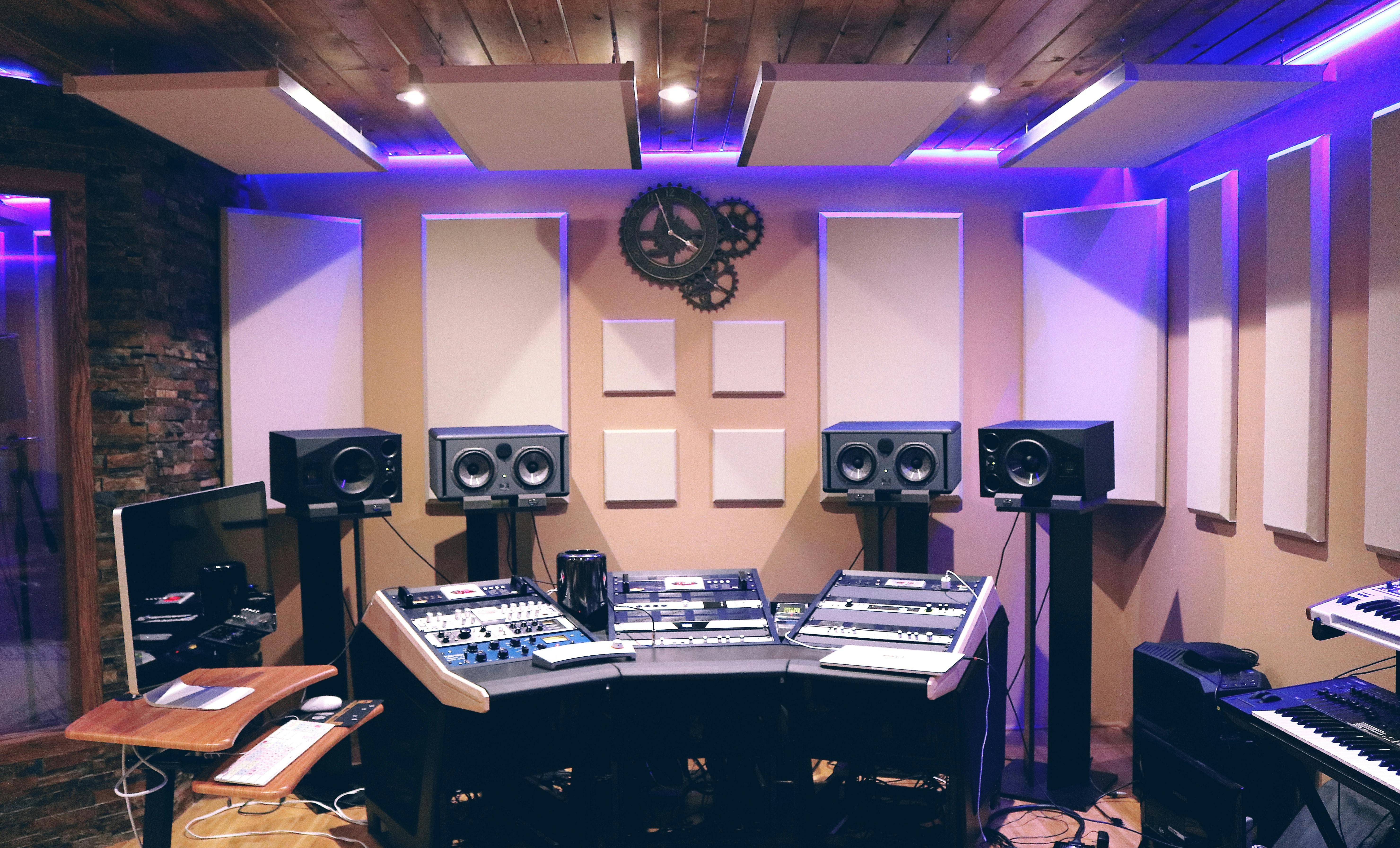
One of the most frequent and disastrous mistakes businesses make during event planning is selecting a sound system based purely on room size rather than room acoustics and audience density. Sound behaves drastically differently in a carpeted, low-ceiling ballroom in Lower Parel than it does in a glass-walled atrium in Powai or an open-air amphitheater in Pune.
Sound Dispersion and Room Dimensions
When sound waves hit hard surfaces like glass, marble, or bare concrete, they bounce back, creating reverberation and echo. If your AV provider delivers basic point-source PA speakers for an acoustically reverberant room, speech intelligibility drops dramatically. Attendees in the back rows end up hearing muffled noise instead of distinct words, leading to disengagement and frustration. Selecting speakers with appropriate dispersion angles and placing delay speakers along the hall length ensures balanced sound pressure levels across the entire room.
Line Array vs. Point Source Speakers
For large-scale corporate town halls and conferences exceeding 200 guests, traditional point-source speakers placed near the stage are insufficient. Boosting their volume to reach the rear seats makes the front rows uncomfortably loud. The solution lies in line array sound systems (such as JBL VRX or RCF active arrays), which project sound horizontally in a tight vertical pattern. This delivers uniform volume from the front row to the back row without harsh volume spikes.
Industry Insight: Sound pressure drops by 6 dB for every doubling of distance from a point-source speaker, whereas line arrays only drop by 3 dB. Choosing the correct speaker topology prevents sound fatigue and keeps attendees focused.
Case Study 1: The BKC Financial Summit Audio Failure
A leading financial services firm rented a generic two-speaker PA system for a 600-person investor conference in a high-ceiling hall in BKC. The reflective glass architecture created a 2.5-second echo decay. Attendees beyond the 10th row could not decipher financial earnings figures. The organizers had to halt the meeting for 45 minutes, resulting in widespread attendee dissatisfaction and an estimated ₹2,500,000 in lost executive time. Switching to an active line-array audio setup with delayed fills on day two resolved the issue completely.
2. Ignoring Ambient Light and Screen Resolution Requirements for Visuals
Need help with this? Let our AI handle it for you. Get started with AINOS and automate your content, SEO, and social media — all in one platform.
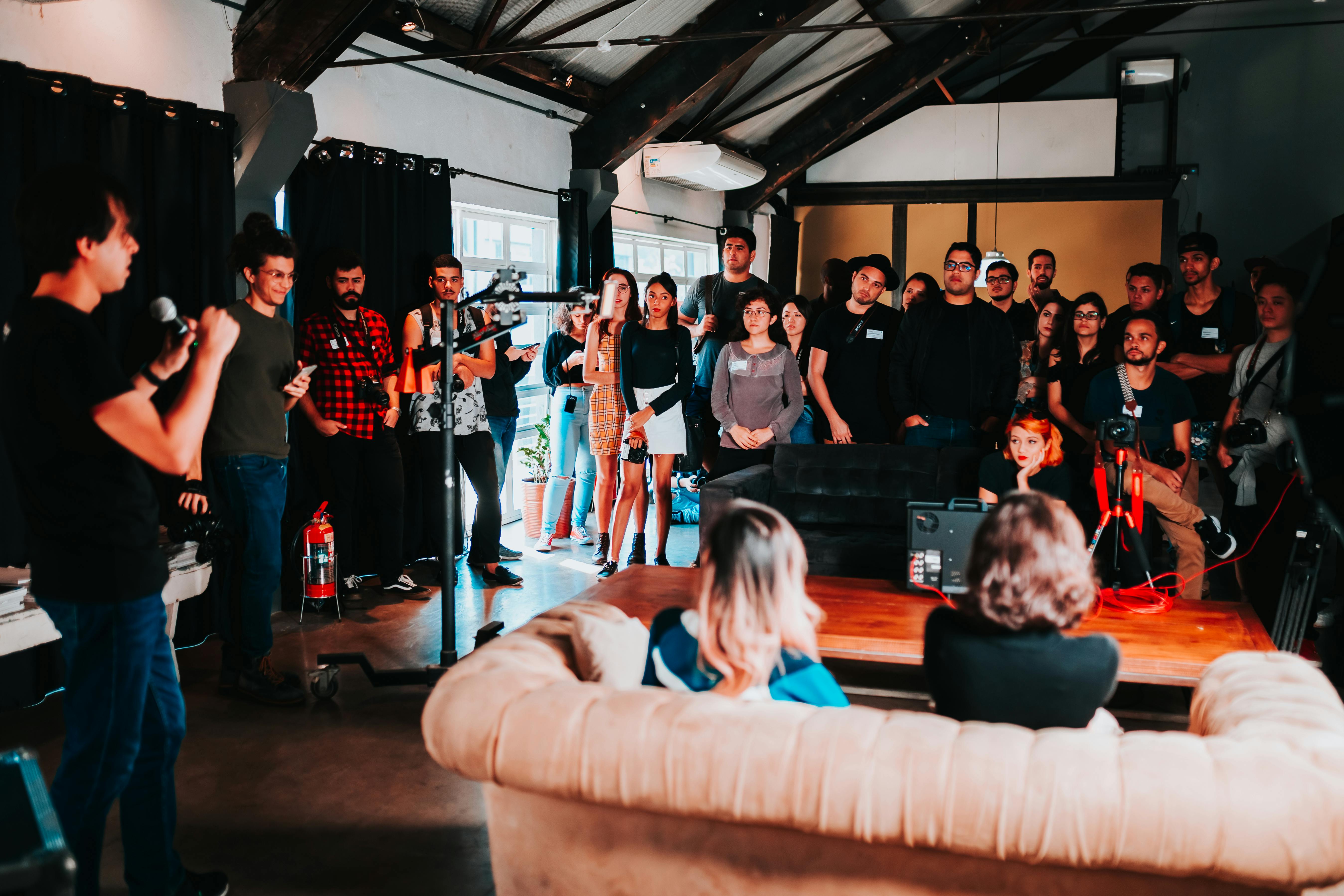
Visual presentations drive business messaging. Yet, organizations routinely waste thousands on premium stage design while compromising on display technology, leading to unreadable slides, washed-out videos, and poor audience engagement.
Projector Lumens vs. Outdoor LED Walls
A common mistake is renting a standard 3,500-lumen office projector for a brightly lit conference hall or daytime outdoor event. Ambient sunlight or high-intensity venue spot lighting instantly overpowers low-lumen projectors. For indoor venues with controlled lighting, high-definition laser projectors ranging from 7,000 to 15,000 lumens are required. For outdoor daytime venues, glass-fronted halls, or stages with direct stage lights, high-refresh-rate LED walls (Active LED Video Walls) are essential.
Pitch Pixel Precision (P2 to P4)
When renting an LED display wall, understanding pixel pitch (the distance between individual LED pixels in millimeters) is critical.
Renting a P3.9 screen for a close-up indoor AGM results in visible pixelation (the screen looks grainy and pixelated), ruining the visual impact of your corporate presentation.
Aspect Ratio and Content Formatting Pitfalls
Many event planners create slides in modern 16:9 widescreen format, only to rent an older 4:3 aspect ratio projector screen (or vice versa). This results in black bars (letterboxing) or distorted, stretched content. Always confirm the native resolution and aspect ratio of your visual rental screens with your AV partner before designing media content.
Pro Tip: When setting up display systems in venues with large glass windows (such as hotels in Navi Mumbai or hilltop venues in Lonavala), opt for high-brightness Seamless P2.5 Indoor LED Walls instead of projection screens to prevent sunlight washouts.
3. Waiting Until the Last Minute: The True Cost of Rush Booking
Last-minute AV equipment rental is one of the quickest ways to inflate your event budget while compromising quality. Business managers often finalize venue bookings months in advance but wait until 48 hours before the event to book AV technology.
Inventory Bottlenecks in Peak Event Seasons
In major commercial hubs like Mumbai and Pune, event seasons (October through March) experience severe equipment shortages. High-demand hardware—such as P2.5 LED screens, digital audio mixing consoles (e.g., Allen & Heath SQ series), and Sennheiser/Shure wireless lapel microphones—gets booked weeks ahead. Waiting until the last minute forces you to accept sub-par, legacy gear from secondary suppliers at inflated price tags.
Rushed Setup Times and Zero Testing Windows
Quality AV deployment requires rigorous sound checks, visual pixel mapping, signal routing, and frequency scanning for wireless mics. Rush bookings lead to late equipment arrivals, rushed setups, and zero buffer time for dry runs. When key speakers arrive, there is no time to test their presentation devices or calibrate mic gains, leaving your event exposed to live technical glitches.
Inflated Rush Logistics and Overnight Freight Costs
Emergency logistics in dense metropolitan areas like Thane or Mumbai incur high express transportation costs. Supplying specialized replacement cables or backup switchers at 2:00 AM costs double or triple standard freight rates. Early planning locks in premium gear, guarantees dedicated technical crews, and secures competitive standard rates.
+-------------------------------------------------------------------------+
|                         AV BOOKING TIMELINE COMPARISON                  |
+-------------------------------------------------------------------------+
| Early Booking (3-4 Weeks Prior)  |  Rush Booking (24-48 Hours Prior)    |
+----------------------------------+--------------------------------------+
| Top-tier, tested equipment       | Compromised, available legacy gear   |
| Full technical recce included    | No recce; unexpected venue hurdles   |
| Dedicated sound/video engineers  | Skeleton crew or untrained technicians|
| Dedicated dry-run & rehearsals   | Zero testing time; high risk of bug  |
| Standard, competitive pricing    | Premium rush fees & elevated freight  |
+-------------------------------------------------------------------------+
4. Failing to Conduct a Comprehensive On-Site Technical Recce
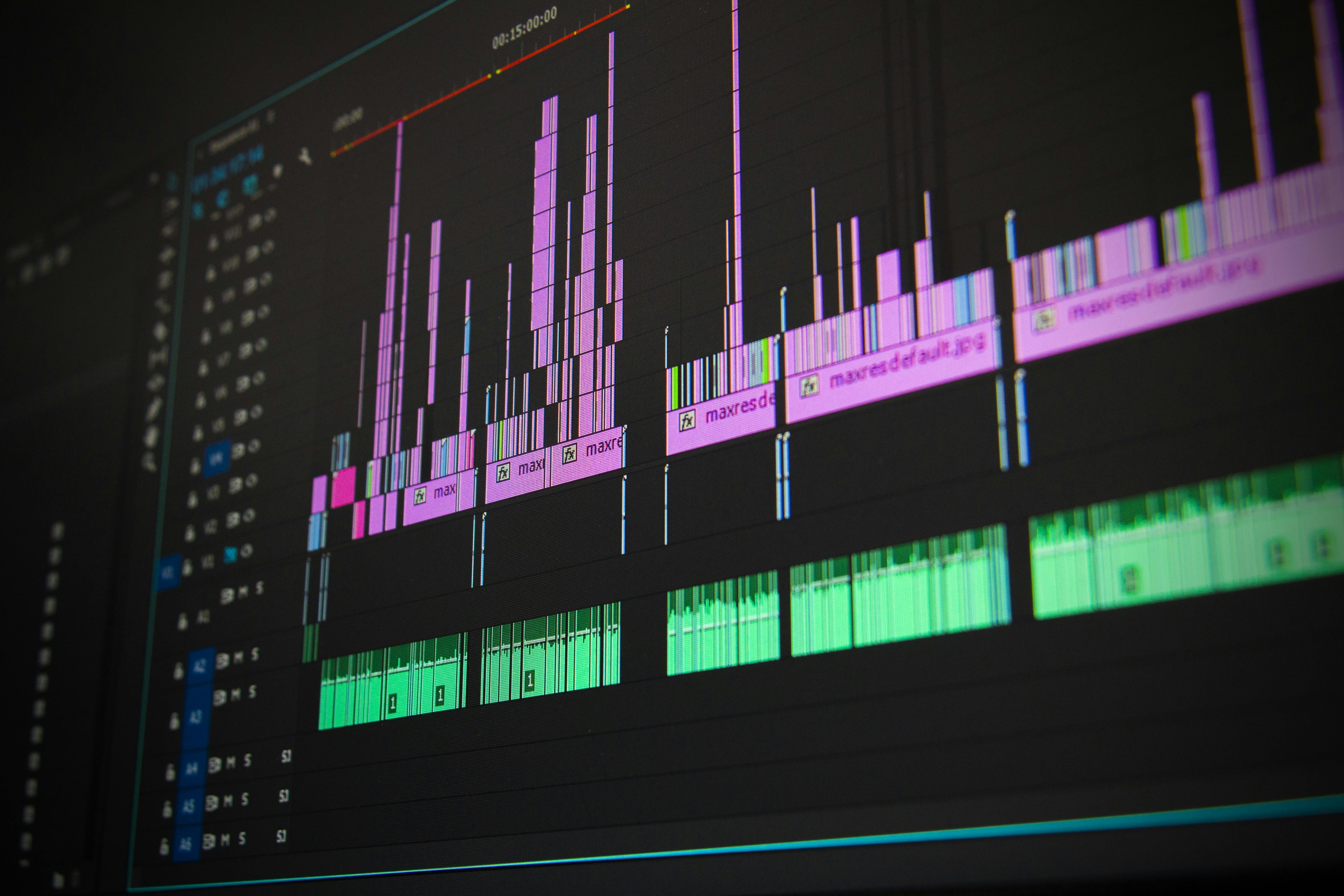
Assuming a venue has adequate electrical power, accessible loading bays, or suitable mounting points without conducting a physical site inspection (technical recce) is a recipe for operational failure.
Power Load Capacity and Phase Balance
Professional AV setups—especially high-brightness LED walls, heavy amplification racks, and stage lights—consume significant electrical power. Standard wall sockets (15A single-phase) cannot support heavy AV loads. A technical recce determines whether the venue provides a stable 3-phase power supply (32A or 63A CEE form connectors) and whether a silent backup generator (DG set) is required to prevent sudden tripping during the event.
Physical Access and Rigging Constraints
Can the freight elevator at the venue accommodate a 10x8 foot LED frame case? Are the ceiling truss points certified to suspend heavy speaker arrays and light fixtures? Without an early site inspection by senior AV engineers, crews face major bottlenecks during load-in.
Case Study 2: The Lower Parel Hotel Elevator Crisis
A corporate client booked an end-of-year award night at a luxury hotel in Lower Parel, Mumbai. They ordered a massive 20-foot seamless LED screen frame. On the morning of the event, the AV crew discovered the freight elevator was undergoing maintenance, and the passenger elevators were too narrow for the flight cases. Carrying heavy gear up seven flights of narrow fire stairs delayed the stage build by four hours, forcing the event start time back and incurring thousands in hotel overtime penalties. A pre-event site recce by Sky Vision Multimedia would have identified elevator dimensions and access routes, preventing the delay entirely.
Pro Tip: Always require your AV equipment rental partner to submit a Recce Report covering power availability, door/elevator clearances, cable run distances, and ambient light sources before signing the rental contract.
5. Opting for Cheap DIY Gear Without On-Site AV Engineers
To shave 15% off an event quote, procurement teams often rent standalone equipment (dry hire) and assign internal IT staff or office admin personnel to operate the audio board and video switchers. This is a false economy that frequently backfires.
The Hidden Cost of Technical Glitches
Modern commercial AV hardware is complex. Digital audio consoles, multi-format seamless video switchers (like Blackmagic Design or Roland switchers), and RF wireless frequency managers require expert technical operation. When an audio channel mutes unexpectedly, a microphone clips, or a laptop display fails to handshake via HDCP over HDMI, an untrained staff member will panic. Minutes spent troubleshooting live on stage destroy corporate authority.
Live Switching, Mixing, and Signal Routing Expertise
Experienced AV engineers anticipate problems before they happen:
Emergency Redundancy and Backup Equipment
Professional AV rental providers like Sky Vision Multimedia assign on-site sound engineers, video operators, and master technicians equipped with backup gear (standby mics, spare HDMI switchers, distribution amplifiers, and backup power UPS units). Paying for professional technical crew ensures seamless execution and complete peace of mind.
6. Overlooking Cable Management, Signal Chain, and Adapters
A chain is only as strong as its weakest link. In AV production, the visual and sound signal chain often breaks due to minor details like cheap cables, missing adapters, or unmanaged signal degradation over distance.
Signal Loss Over Long Distances (HDMI vs. SDI/Fiber)
Standard HDMI cables are designed for short distances (up to 5 meters). Running a consumer HDMI cable 20 or 30 meters from a control desk at the back of a hall to a stage projector results in signal dropouts, flickering screens, or complete blackouts due to HDCP handshake failures. Professional setups use SDI converters, HDMI-over-CAT6 extenders, or optical fiber cables to transmit uncompressed 4K visuals over long distances without latency or signal loss.
Dongle and Adapter Miscalculations for Presenters
Guest speakers bring a wide variety of laptops—MacBook Pros with Thunderbolt/USB-C, Windows laptops with DisplayPort or HDMI, and tablets. Assuming every presenter will plug into a standard HDMI cable is a common error. A fully equipped AV team carries a complete kit of active adapters (USB-C to HDMI, Mini DisplayPort to HDMI, Lightning to HDMI) to handle any presenter device seamlessly.
Safety Risks and Cable Concealment Compliance
Loose cables running across walkways, stage access steps, and emergency exits pose severe trip hazards and corporate legal liabilities. Professional AV rental teams use heavy-duty rubber cable ramps (cable protectors), gaffer tape, and under-stage routing to keep venue floors neat, presentable, and safe for guests.
Industry Insight: Over 40% of live presentation delays at corporate conferences are caused by display adapter incompatibility. Always insist on a dedicated switcher matrix with multi-input compatibility at the master control table.
7. Neglecting Hybrid and Live Streaming Infrastructure Requirements
In today’s business environment, corporate events are rarely in-person only. Town halls, shareholder meetings, and product launches are broadcast to remote team members, international stakeholders, and social media audiences across Mumbai, Pune, and globally. Treating live streaming as a simple webcam add-on creates major execution issues.
Bandwidth and Dedicated Network Failures
Relying on shared venue Wi-Fi for live streaming is a recipe for disaster. When hundreds of attendees enter the hall and connect their mobile devices to the venue Wi-Fi, available bandwidth collapses. The live stream stutters, drops resolution, or cuts off mid-presentation. A professional hybrid setup requires a dedicated, hardwired Ethernet connection (leased line) with guaranteed upload speeds (minimum 20-50 Mbps symmetrical) or multi-SIM cellular bonding routers.
Audio Feed Separation for Remote Audiences
Audio mixed for in-room venue speakers sounds terrible when routed directly into a video stream. In-room audio accounts for room reflections and acoustic volume, whereas stream audio requires direct, clean matrix outputs (Aux mixes) from the digital sound console with individual compression and EQ settings. Without dual audio mixing, remote viewers experience muffled voices, low levels, or loud room echo.
Case Study 3: The Pune Tech Product Launch Stream Failure
A software firm in Hinjewadi, Pune hosted a global virtual product launch. They plugged a basic USB webcam and room mic into a laptop connected to the hotel’s free guest Wi-Fi. Within 15 minutes, as guest attendance peaked, the stream resolution dropped to 240p and froze. Over 1,200 remote viewers disconnected, and negative comments flooded the company's social media channels. Re-shooting the presentation cost the firm over ₹400,000 in studio recording and post-production re-runs.
8. Misunderstanding Rental Terms, Insurance, and Hidden Fees
The final major pitfall occurs during procurement and contracting. Comparing AV rental quotes solely on the bottom line price tag without reading the scope of work leads to hidden costs and scope creep.
Overtime Charges and Logistics Delays
Corporate events frequently run over schedule. If your rental agreement strictly specifies equipment teardown by 10:00 PM, running until 11:30 PM can trigger steep late-night crew overtime fees and extra transport charges. Ensure your contract includes clear policies for event extensions and flexible strike-down times.
Equipment Damage Liabilities and Security Deposits
Who is liable if a guest spills a drink over an audio console or an active speaker gets damaged by power surges from an unstable venue generator? Reputable AV providers specify clear equipment insurance terms, damage waivers, and surge protection protocols to protect client organizations from unexpected hardware repair bills.
Transparency in Quotations and Inclusions
When evaluating quotes, verify if the following essential services are explicitly included:
An itemized, fully transparent quote prevents surprises and guarantees complete resource allocation for your event.
9. Frequently Asked Questions About AV Equipment Rental
Q1: How early should I book AV equipment for a corporate event in Mumbai or Pune?
It is best practice to lock in your AV equipment rental provider at least 3 to 4 weeks prior to your event date. For peak event months (October through March), booking 6 to 8 weeks in advance ensures the availability of premium gear like high-resolution P2.5 LED walls and digital wireless mic systems, while allowing ample time for site recces and technical rehearsals.
Q2: What is the difference between an LED video wall and a projector screen, and which do I need?
LED video walls display bright, self-emissive imagery that remains vivid under direct sunlight and high ambient lighting, making them perfect for daytime events, brightly lit indoor halls, and high-impact stages. Projectors rely on reflected light onto a canvas screen and work best in darkened rooms or controlled lighting environments. LED walls offer superior contrast, zero shadow interference from presenters, and higher color saturation.
Q3: Why can't we use our venue's built-in sound system for a corporate AGM or conference?
Most hotel or venue in-house sound systems are designed for background ceiling music or basic announcements, not high-intelligibility speech or live multimedia presentations. They often lack multi-channel digital mixing boards, active feedback suppression, and localized speaker distribution, leading to echo, sound dead zones, and poor voice clarity for large audiences.
Q4: Does Sky Vision Multimedia provide technical support staff during the event?
Yes, Sky Vision Multimedia provides end-to-end service. Every equipment rental package includes experienced on-site sound engineers, video operators, and master technicians who manage setup, live signal switching, mixing, real-time troubleshooting, and post-event teardown.
Q5: What information do I need to provide to get an accurate AV equipment rental quote?
You should provide the event date, venue location (city and hall name), room dimensions or guest capacity, event type (e.g., AGM, product launch, wedding), stage layout, presentation formats (slides, video playback, live performances), and whether you require live streaming support.
10. Conclusion: Partnering with Sky Vision Multimedia for Flawless Events
Avoiding costly AV rental mistakes requires more than just hiring gear—it requires a dedicated, technically proficient partner who understands venue dynamics, signal integrity, and high-stakes corporate execution. Cutting corners on audio visual infrastructure endangers your brand image, compromises attendee experience, and frequently results in expensive emergency fixes.
At Sky Vision Multimedia, we bring over 15 years of industry-leading experience to corporate clients, event planners, and enterprise organizations across Mumbai, Navi Mumbai, Thane, and Pune. Whether you need a high-brightness indoor P2.5 LED wall for a shareholder conference in BKC, a crystal-clear line-array sound system for an award night in Powai, high-lumen laser projectors, or full hybrid live-streaming production in Pune, our team ensures flawless technical delivery from start to finish.
Why Choose Sky Vision Multimedia?
Don't leave your organization's reputation to chance. Ensure your next corporate event executes with absolute clarity, power, and precision.
Contact Sky Vision Multimedia Today:
Get weekly SEO & growth tips
Join 5,000+ business owners getting actionable insights every Thursday.
Powered by AINOS AI Blog Agent
This article was generated and published using AINOS AI Blog Agent — the AI-powered content engine that researches, writes, and publishes SEO-optimized blog posts automatically.
Get Started with AINOS